-
Sold Out

Georg Breuer
Georg Breuer Riesling Nonnenberg Monopol Trocken 2021 1.5L MAGNUM
Was: $269.99Now: $189.99 -
Sold Out
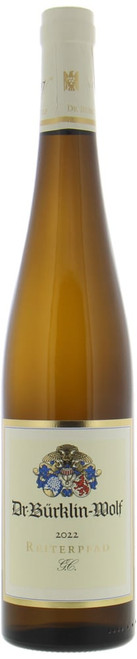
Dr. Burklin-Wolf
Dr. Burklin-Wolf Riesling Ruppertsberger Reiterpfad G.C. Dry 2022 750ml
Was: $124.99Now: $59.99 -
Sold Out
-

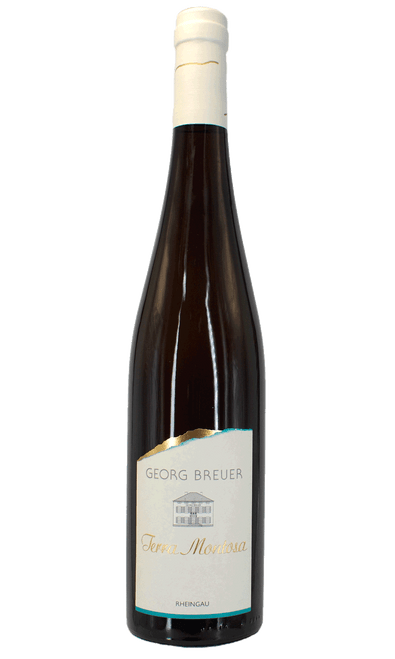
Georg Breuer
Georg Breuer Rheingau Riesling Lorch Pfaffenwies Trocken 2021 750ml
Was: $104.99Now: $69.99 -
Sold Out

Dr. Burklin-Wolf
Dr. Burklin-Wolf Riesling Wachenheimer Altenburg P.C. Dry 2022 750ml
Was: $64.99Now: $29.99 -
Sold Out

Dr. Burklin-Wolf
Dr. Burklin-Wolf Riesling Ruppertsberger Reiterpfad G.C. Dry 2017 750ml
Was: $124.99Now: $59.99 -
Sold Out

Dr. Burklin-Wolf
Dr. Burklin-Wolf Pfalz Riesling Kalkofen Deidesheimer G.C Grosse Lage Trocken 2022 750ml
Was: $199.99Now: $94.99
Riesling Reduction!
Georg Breuer:
The Breuer family can trace their winemaking heritage to the 1880s, but it was really when Bernard Breuer took over in the 1980s that they became a force to be reckoned with. Bernard pushed for a quality hierarchy more like the Burgundian system focused on dry wines and exalted sites, versus the standard at the time that ranked a wine's quality based only on its ripeness (and sweetness), no matter where it came from. At his own estate, he pioneered a style of chiseled and filigreed dry Riesling. Bernard's daughter Theresa now heads the estate. She took over at the age of 18, when Bernard unexpectedly passed in 2004. Under her watch, the Breuer estate has produced some of the best wines of its storied career. Fermentations occur spontaneously (still shamefully rare in Germany), and the wines are fermented and aged in large, neutral wooden casks. The winemaking at this domaine is very simple and the results from these exceptional vineyards are clear – these are among the very finest wines in Germany. The style here is one of precision and elegance; where other Rheingau producers often lean into powerfully ripe examples of Riesling, at Breuer, clarity and expression of site are the raison d'etre. These are the sort of wines dry Riesling's reputation is built on, and they will age beautifully for many decades.
Dr. Bruklin Wolf:
The Bürklin family can trace their roots in the Pfalz back to 1597, essentially one of the three estates to define this region, but it was truly under the leadership of Bettina Bürklin-von Guradze in the early 2000s that Dr. Bürklin-Wolf emerged as one of the defining estates of modern German wine. Bettina brought with her a radical rethinking of quality—one that aligned German Riesling more closely with Burgundy, emphasizing classified vineyard sites, dry wines, and terroir above all else. Long before it was fashionable, she converted the entire estate to biodynamic farming, believing that precision in the cellar begins with vitality in the vineyard. At Bürklin-Wolf, fermentations are spontaneous, élevage takes place largely in large, neutral oak casks, and intervention is kept deliberately minimal. The goal is not power or overt ripeness, but transparency—wines that articulate the limestone and sandstone soils of the Pfalz with clarity and restraint. Where many producers chase generosity, Bürklin-Wolf prizes structure, tension, and inner calm. These are Rieslings of quiet authority, built on balance and site expression, and they stand today among the most age-worthy and intellectually compelling dry white wines in Germany.
Wines are in stock now
Pricing is the lowest you will ever find for these wines in the world. No further discounts available.