Conti Library Offer 1984-2012
We have been given the opportunity to bring in a very rare vertical available from one of the top producers in the Alto Piemonte; Castello Conti. These wines have been aged in the cellars of conti since their inception. Provenance is perfect. This list includes a very deep, 3 decade dive into their library, with 750ml and magnums back to the 1980s from this extremely tiny, historic estate. Run by the late Ermano Conti's 3 daughters, this is one of the smallest family fun cantinas in Piedmont, with their vineyard in the Boca DOCG sizing up at a minuscule 3 hectares. To sum up ho synonymous with Boca the Conti family is, Ermano Conti started the Boca DOCG in the 1950s!
A brief intro to the Conti estate by importer, Neal Rosenthal:
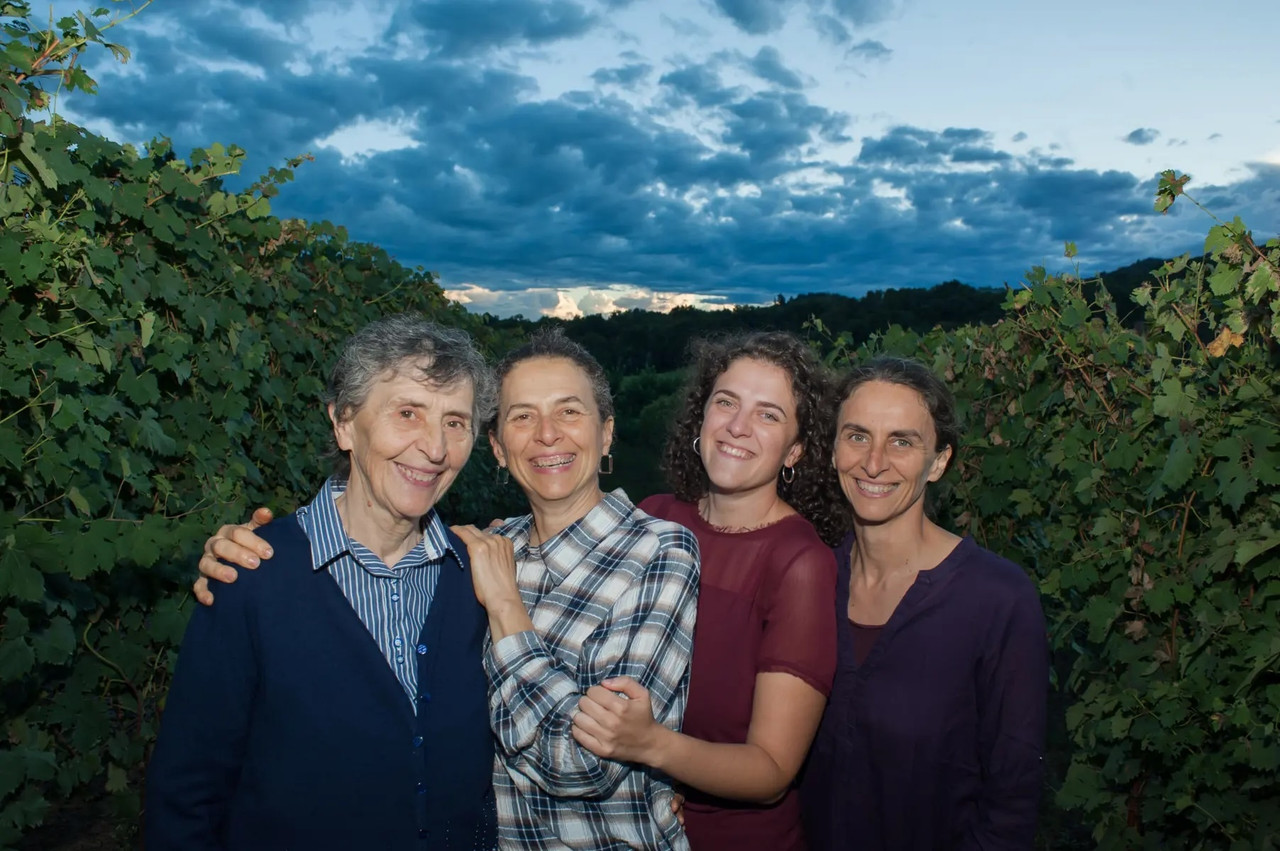
The story of the Conti sisters in Boca is a twofold triumph: as ultra-committed winegrowers who are reclaiming and replanting old vineyards in this difficult-to-farm zone, they are part of a larger effort to restore the Alto Piemonte to its pre-phylloxera glory and productivity; and, as visionary, trend-bucking women in a deeply conservative rural area, they have gradually overcome the skepticism and resistance of the local old timers, establishing themselves as undeniable leaders in the region. Elena, Paola, and Anna Conti are no newcomers, either; their father Ermanno, from whom they took over between 2002 and 2003, was one of the founders of the Boca DOC in the late 1960s, persisting in eking out wine from his single hectare there even as total production neared extinction during its nadir in the 1980s and ‘90s. Today, the sisters farm three total hectares in the zone, including a hectare and a half they cleared and replanted beginning in 2015, and their rigorous, biodynamically informed viticultural practices and extreme non-interventionism in the cellar place them squarely in the region’s vanguard.
These women, and the cellar in which they ply their trade, radiate a certain undeniable joy; we always leave a visit with Conti restored and rejuvenated, vibrating with excitement and marveling at the evolution of their craft. Elena is unfailingly warm and engaged, with an ear-to-ear smile that’s almost impossibly infectious; the patient trek to visit her Boca vineyards—which involves fording a stream and navigating vast expanses of spiky rocks and sliding sands, all in her heroically overworked 4x4—has provided plenty of opportunity to hear about her perspective and the history of the estate. And Paola is the calm center of the operation, exuding a patience, wisdom, and serenity that provide a wonderful counterpoint to Elena’s boisterous enthusiasm. Visiting the Conti sisters’ holdings and looking out at the steep, rolling hills of this sub-Alpine hamlet, one sees a vineyard here, a vineyard there, but the overarching theme is one of forests and scrub. A century and a half ago, these slopes, with their laboriously carved-out terraces (which are still there), were covered in vines, producing wines whose grandeur was acknowledged to rival easily that of the Langhe. Now, one must flex their imagination to see the possibilities at hand. But, with people as committed and talented as the Contis stewarding a bona fide renaissance here, the future of Boca is indeed very bright.
Boca is a small appellation in the northernmost part of Piedmont where Nebbiolo grows, along with a smattering of other local varieties Vespolina and Uva Rara, of which is often blended with the Nebbiolo. This rugged, rural, remote area sits at the foothills of the alps and is one of the smallest appellations here. When we think Piedmont, our minds, and tastebuds, immediately take us to the south, to the Langhe, where Barolo and Barbaresco reign supreme. The brooding, powerful, Nebbiolo based wines of the south with their nonstop press and high flying point scores, have long overshadowed these wines to the north, especially in the 90s and 2000s when new oak and high octane alcohols were driving scores higher and higher . Alto Piemonte Nebbiolo could never play that game. With the alpine driven terroir, higher elevations, sandier soils, it's always been an area that creates wines of class, perfume, elegance, and minimalism, never giving up its rusticity to follow trends.
We have an offer here of Boca spanning over 4 decades. The wines have been stored at the cellars of Conti for the duration and are in impeccable condition. This is a long list of AMAZING vintages here, quantities are very limited. This may be the last time to purchase these wines.
Discount of 10% more on 3 and 15% more on 6 or more bottles!
Please Note these details:
- This is a pre-order with a deadline of Friday 3/27 to order.
- The wines are not in stock, they are in Italy and are being shipped from Conti's cellars in May.
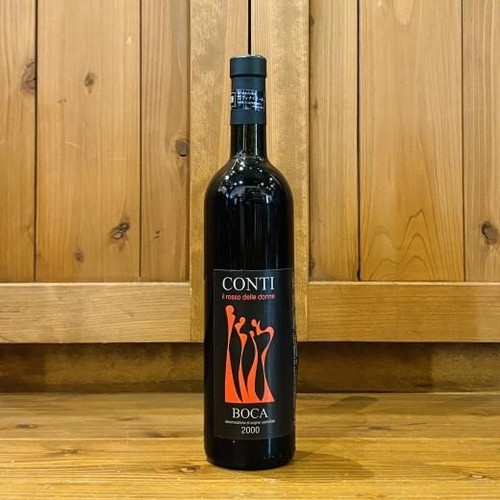
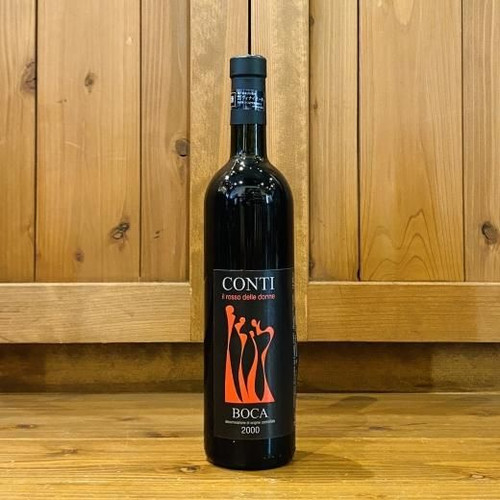
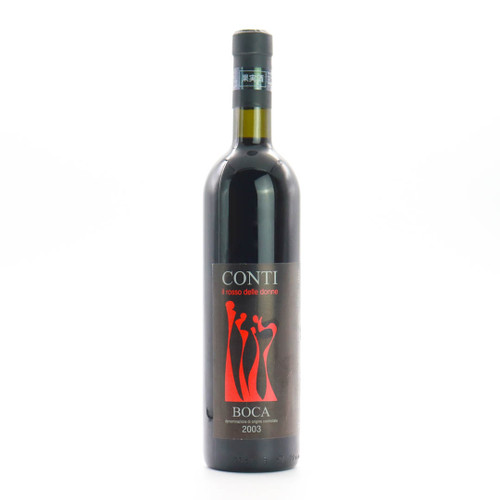
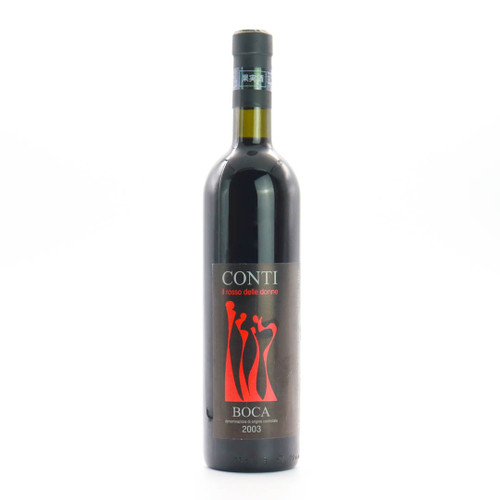
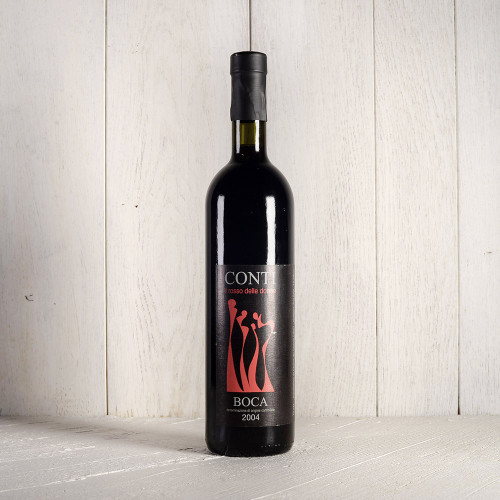
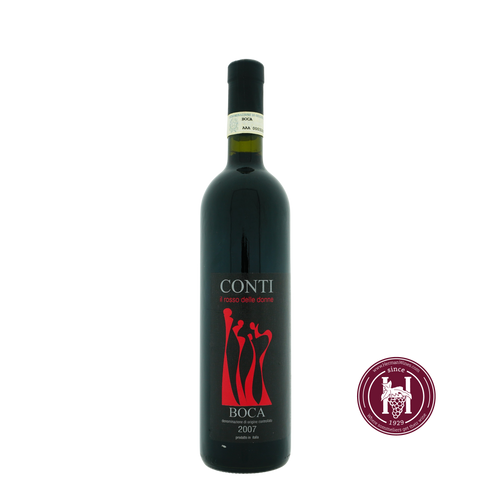
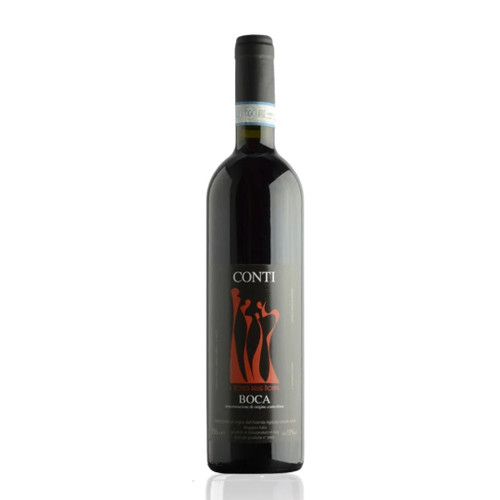
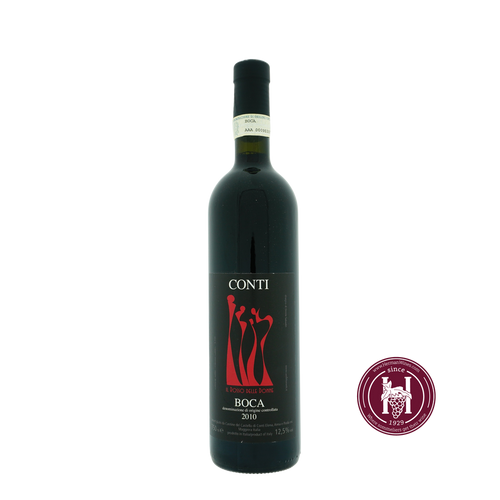
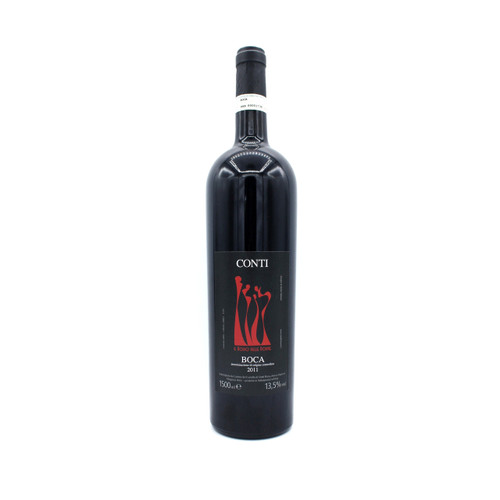
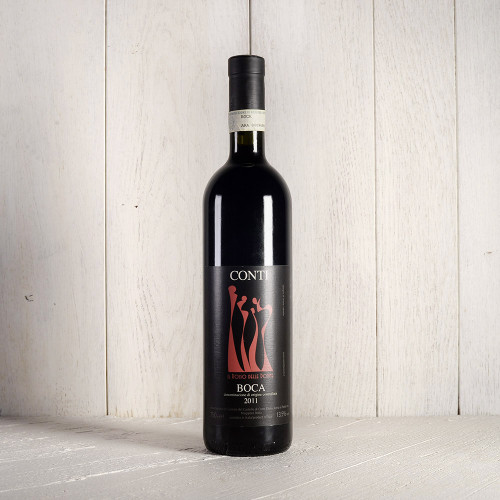
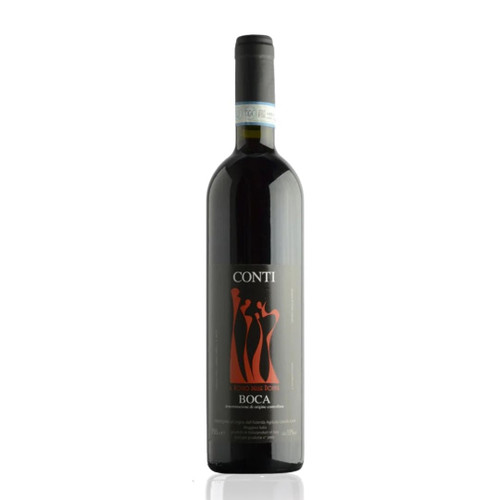
- Pictures are not actual bottle shots. Labels may vary from what is pictured.
- Vintage on label may differ from wine name. This is due to label shots not being available for every vintage in every format. Disregard vintage on label if it differs from vintage in item title. The vintage in the title of the wine is the vintage you will receive.
- Wines are perfectly stored, and coming directly from the estate's cellars. Provenance is confirmed.
- Starting with the 1996 vintage, the estate top wine, the Boca Castello Conti, went through a name change to “il rosso delle donne” (“the red from the women”), marking the changeover of the hands of the estate from their father to the sisters. The Boca has always been comprised of 75% Nebbiolo, 20% Vespolina, and 5 % Uva Rara. There are no differences in the wines with different labels, it was strictly just a label design change.
- Wines have an ETA of May. This is just an ETA, and delays can happen when shipping across the ocean from remote areas. Cancellations due to delays will incur a 20% cancellation fee.
- All bottles will be inspected upon arrival. Any wines not in pristine condition will be photographed. Returns and refunds will be given should condition not be to our satisfaction.